

The integration of technology into modern sports has reshaped how athletes train, perform, and recover. Among the most influential innovations is Tech in Football, particularly wearable technology that tracks performance and helps prevent injuries. From elite professional clubs to grassroots academies, wearable devices are now a core part of football’s performance ecosystem.
Wearable Tech in Football provides real-time data on player movement, workload, heart rate, speed, and recovery. This data-driven approach allows coaches, medical staff, and analysts to make informed decisions that enhance performance while reducing injury risk.
Use of AI in Cricket Umpiring and Decision Review Systems
Understanding Tech in Football and Wearable Technology
Tech in Football refers to the application of advanced technologies such as sensors, GPS trackers, artificial intelligence, and data analytics to improve performance and safety. Wearable technology is a subset of this ecosystem, designed to be worn by players during training and matches.
The International Football Association Board
Common wearable devices include:
- GPS tracking vests
- Heart rate monitors
- Accelerometers and gyroscopes
- Smart compression clothing
These tools collect continuous data that offers insights into both physical and physiological demands placed on football players.
Evolution of Tech in Football Performance Tracking
In the past, football performance analysis relied on observation and basic statistics. The rise of Tech in Football has transformed this process into a highly scientific discipline.
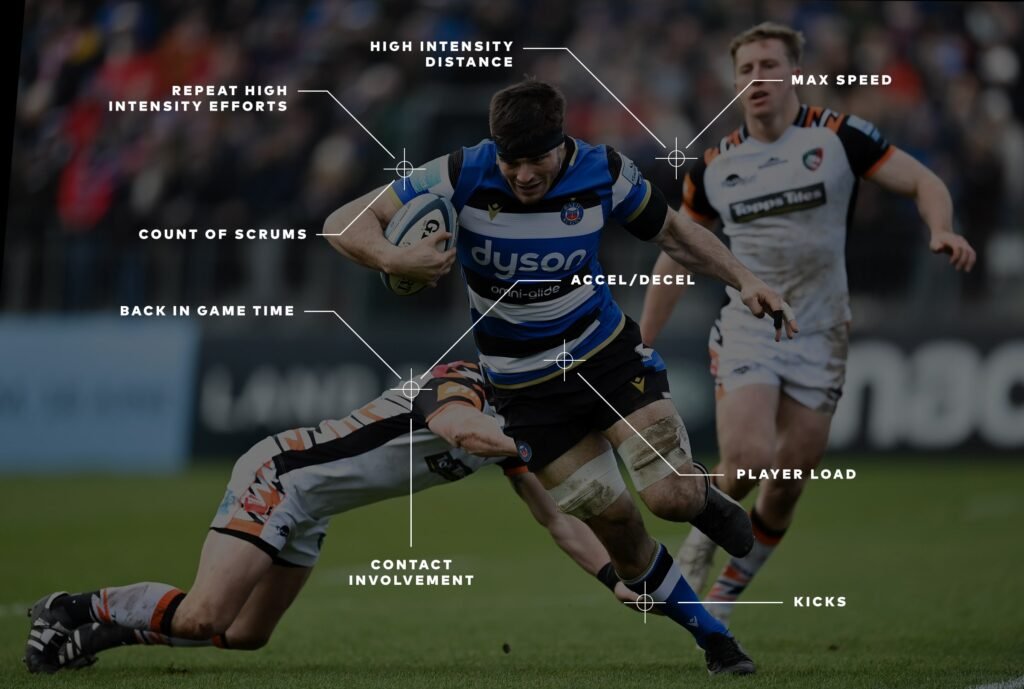
Early wearable systems were limited to simple distance tracking. Today’s advanced devices measure:
- Sprint frequency and intensity
- Acceleration and deceleration patterns
- Player load and fatigue levels
- Recovery efficiency
This evolution has allowed football clubs to shift from reactive decision-making to proactive performance management.
How Wearable Tech in Football Works
Wearable Tech in Football operates through embedded sensors that collect data during physical activity. These sensors transmit information to cloud-based platforms where analytics software processes the data into actionable insights.
Key components include:
- GPS modules for movement tracking
- Inertial sensors for motion analysis
- Heart rate sensors for cardiovascular monitoring
- Software dashboards for visualization
This system enables coaching staff to monitor players in real time and adjust training loads accordingly.
Role of Tech in Football Training Sessions
Training is where Tech in Football delivers the most value. Wearable data allows coaches to tailor sessions based on individual player needs rather than applying a one-size-fits-all approach.
Benefits include:
- Optimized training intensity
- Identification of overtraining risks
- Balanced workload distribution
- Improved tactical execution
By analyzing wearable metrics, teams can ensure players reach peak performance at the right time in the season.
Technology and Innovation in Football
Tech in Football Match Performance Analysis
During matches, wearable Tech in Football captures high-intensity actions that traditional statistics often miss. Metrics such as explosive sprints, rapid direction changes, and recovery time provide deeper insights into match demands.
This data helps teams:
- Evaluate player effectiveness
- Analyze positional responsibilities
- Make informed substitution decisions
- Adjust tactical strategies
Clubs increasingly rely on wearable data to complement video analysis and traditional match reports.
Injury Prevention Through Tech in Football
One of the most critical applications of wearable Tech in Football is injury prevention. Muscle injuries, fatigue-related strains, and overload issues are common in professional football.
Wearable technology helps prevent injuries by:
- Monitoring cumulative workload
- Identifying fatigue markers
- Detecting abnormal movement patterns
- Managing recovery timelines
Medical teams use this data to intervene before minor issues develop into long-term injuries.
Tech in Football and Player Load Management
Player load management is a key performance strategy enabled by Tech in Football. Wearable devices calculate metrics such as total distance covered, high-speed running, and mechanical load.
These insights allow clubs to:
- Balance training and match exposure
- Reduce burnout
- Extend player careers
- Maintain consistent performance levels
Effective load management has become essential in congested football calendars.
Heart Rate Monitoring and Tech in Football
Heart rate monitoring is a fundamental aspect of wearable Tech in Football. By analyzing heart rate variability and recovery patterns, teams gain insights into player fitness and readiness.
Heart rate data supports:
- Conditioning programs
- Recovery assessments
- Stress and fatigue monitoring
- Return-to-play decisions
This physiological data adds depth to performance analysis beyond physical movement alone.
Tech in Football and Tactical Decision-Making
Modern football tactics are increasingly informed by data. Wearable Tech in Football contributes to tactical planning by revealing how players respond physically to different formations and playing styles.
Coaches use wearable insights to:
- Assess pressing intensity
- Evaluate positional discipline
- Understand transition speed
- Optimize formation choices
This integration of technology and tactics enhances strategic decision-making.
Football Technology Standards and Research
Role of Tech in Football at Elite Clubs
Top football clubs worldwide have embraced wearable Tech in Football as a competitive advantage. Teams in major leagues invest heavily in performance technology departments.
Examples of technology adoption can be explored through organizations such as:
These governing bodies promote standardized use of performance technology across competitions.
Tech in Football at Youth and Academy Levels
Wearable Tech in Football is not limited to professional teams. Youth academies increasingly use wearable devices to track player development and manage growth-related injury risks.
Benefits at youth level include:
- Long-term performance tracking
- Early identification of talent
- Safe workload progression
- Education on recovery and fitness
This approach supports sustainable athlete development.
Data Analytics and Tech in Football Wearables
The true power of wearable Tech in Football lies in data analytics. Raw data is transformed into insights through advanced algorithms and machine learning models.
Analytics platforms help:
- Identify performance trends
- Compare players objectively
- Predict injury risk
- Improve training design
As analytics capabilities grow, the value of wearable data continues to increase.
Tech in Football and Recovery Optimization
Recovery is as important as training in modern football. Wearable Tech in Football tracks sleep quality, heart rate variability, and recovery efficiency.
This data supports:
- Personalized recovery plans
- Nutrition and hydration strategies
- Load reduction protocols
- Faster return to peak condition
Clubs now view recovery optimization as a competitive edge.
Challenges of Tech in Football Wearable Systems
Despite its benefits, Tech in Football wearable technology faces challenges:
- Data overload
- Interpretation complexity
- Player privacy concerns
- Equipment standardization
Successful implementation requires skilled staff who can translate data into practical decisions.
Ethical and Privacy Considerations in Tech in Football
The use of wearable Tech in Football raises ethical questions around data ownership and player consent. Football organizations must ensure transparent data policies.
Key considerations include:
- Secure data storage
- Player access to personal data
- Clear usage agreements
- Compliance with data protection laws
Responsible use of technology is essential to maintain trust.
Tech in Football and Match Regulations
Football governing bodies regulate wearable Tech in Football use during matches to ensure fairness and safety. Devices must meet specific standards and be approved for competition use.
These regulations balance innovation with the integrity of the game.
Future Trends in Tech in Football Wearables
The future of wearable Tech in Football is expected to include:
- AI-driven performance predictions
- Smart fabrics with embedded sensors
- Real-time injury risk alerts
- Enhanced integration with video analysis
As technology advances, wearable systems will become more seamless and intelligent.
Tech in Football and Fan Engagement
Beyond performance, wearable Tech in Football contributes to fan engagement through broadcast graphics and performance insights. Real-time data enhances storytelling and viewer understanding of the game.
This transparency deepens fan appreciation of player effort and tactical complexity.
Global Adoption of Tech in Football
From Europe to Asia, wearable Tech in Football is becoming a global standard. Clubs across continents recognize the value of data-driven performance management.
As accessibility improves, technology adoption is expected to expand across all levels of the sport.
Training Staff Education and Tech in Football
Effective use of wearable Tech in Football depends on education. Coaches, analysts, and medical teams require ongoing training to interpret and apply data correctly.
Investment in staff development ensures technology delivers real performance benefits.
Tech in Football as a Competitive Advantage
In elite football, marginal gains can determine success. Wearable Tech in Football provides those marginal advantages by optimizing performance, reducing injuries, and improving consistency.
Clubs that effectively integrate technology into their performance culture often gain a long-term competitive edge.
Conclusion
The rapid growth of Tech in Football has transformed how players train, perform, and recover, with wearable technology now playing a central role in modern performance management. By providing real-time data on workload, movement, and physiological responses, wearable systems allow coaches and medical staff to make informed decisions that enhance performance while minimizing injury risks. This data-driven approach has shifted football from traditional observation-based methods to scientifically guided performance optimization.
As Tech in Football continues to evolve, wearable technology is expected to become even more integrated into every level of the game. From elite professional clubs to youth academies, the intelligent use of performance data is shaping a future where footballers train smarter, recover better, and perform at consistently higher levels.
FAQs
1. What is Tech in Football?
Tech in Football refers to the use of advanced technologies such as wearable devices, data analytics, sensors, and performance software to improve player performance, safety, and decision-making.
2. How does wearable Tech in Football improve performance?
Wearable Tech in Football tracks metrics like distance covered, sprint speed, heart rate, and workload, allowing coaches to optimize training intensity and match preparation.
3. Can wearable Tech in Football help prevent injuries?
Yes, wearable Tech in Football helps monitor fatigue, workload, and movement patterns, enabling early intervention to reduce the risk of muscle strains and overuse injuries.
4. Is wearable technology allowed during football matches?
Wearable devices are allowed in matches if they comply with regulations set by football governing bodies and do not pose safety risks to players.
5. Do youth football academies use Tech in Football?
Many youth academies use wearable Tech in Football to track development, manage growth-related injury risks, and support long-term athlete progression.
6. What data do football wearables collect?
Wearable Tech in Football collects data such as GPS movement, acceleration, heart rate, player load, recovery metrics, and sometimes sleep patterns.
7. Are there privacy concerns with Tech in Football?
Yes, data privacy is a key concern. Clubs must ensure player consent, secure data storage, and transparent policies regarding data usage.
8. What is the future of Tech in Football wearable technology?
The future of Tech in Football includes AI-powered analytics, smart clothing, real-time injury alerts, and deeper integration with tactical and video analysis systems.