

Introduction: The Unpredictable Weather Effect
In 2025, sports fans witnessed how weather conditions could turn the tide of major competitions. Whether it was cricket matches delayed by rain, football games suspended due to extreme heat, or tennis tournaments rescheduled for safety, the sports event weather impact became one of the most discussed topics of the year.
Weather has always played a role in outdoor games, but the scale and frequency of interruptions in 2025 surprised even experts. From scorching heat waves to unexpected downpours, sports events across continents faced unprecedented challenges.
Beth Mooney’s Century Rescues Australia | Women’s Cricket World Cup 2025 Highlight
1. Why Weather Has Become a Game-Changer in Modern Sports
The sports event weather impact is no longer just about delays. It influences player performance, game strategies, and even tournament outcomes.
- Unpredictable rain can force sudden breaks in cricket and tennis.
- High temperatures can cause dehydration, exhaustion, and health risks.
- Strong winds can affect the flight of balls in football, golf, and baseball.
- Air quality changes can affect endurance sports like marathon running or cycling.
With extreme weather becoming more common, sports organizations are redefining how they plan and execute events.
International Olympic Committee official updates
2. Cricket: Rain Delays and Duckworth-Lewis Decisions
Cricket has always been vulnerable to weather interruptions, but 2025 was especially dramatic.
2.1 ICC Tournaments and Sudden Rainfall
During key international matches, rain forced multiple games to be shortened or decided by the Duckworth-Lewis-Stern method, creating controversies over fairness.
2.2 Player Fatigue in Extreme Heat
Several matches in regions like Asia and Australia were played in temperatures exceeding 40°C, leading to shorter innings and mandatory water breaks.
This year’s cricket season showed how sports event weather impact can determine not just the schedule but also the final outcome of matches.
3. Football: Heatwaves and Match Suspensions
Football fans were also affected in 2025 when heatwaves and heavy rains disrupted high-profile matches.
3.1 FIFA Qualifiers Delayed Due to Weather Alerts
In many parts of Europe and Asia, record-breaking temperatures forced officials to delay or reschedule games, ensuring player safety.
3.2 Storms Flooding Stadiums
Heavy rainfall caused stadium flooding in several matches, highlighting the vulnerability of even the most advanced sporting infrastructures.
The sports event weather impact in football didn’t just affect fans but altered entire league calendars.
4. Tennis: Roof Closures and Rescheduling Drama
Tennis tournaments rely on precise timing, but in 2025, unpredictable weather tested the limits of organizers.
4.1 Grand Slam Interruptions
During key Grand Slam tournaments, rain and wind delays pushed matches into late-night finishes, affecting both players’ performance and fan attendance.
4.2 Roofed Stadium Advantage
Events with roofed courts managed better, but outdoor tournaments suffered repeated interruptions, making the sports event weather impact a key discussion point among commentators and players.
5. Golf and Baseball: Wind and Heat Challenges
Unlike other sports, golf and baseball are extremely sensitive to environmental changes.
- Wind speeds affected shot accuracy in major golf tournaments.
- High temperatures forced baseball teams to rotate players more frequently.
- Humidity and air pressure impacted how balls traveled during matches.
Players and coaches adapted by changing strategies mid-game, proving how weather now plays a strategic role.
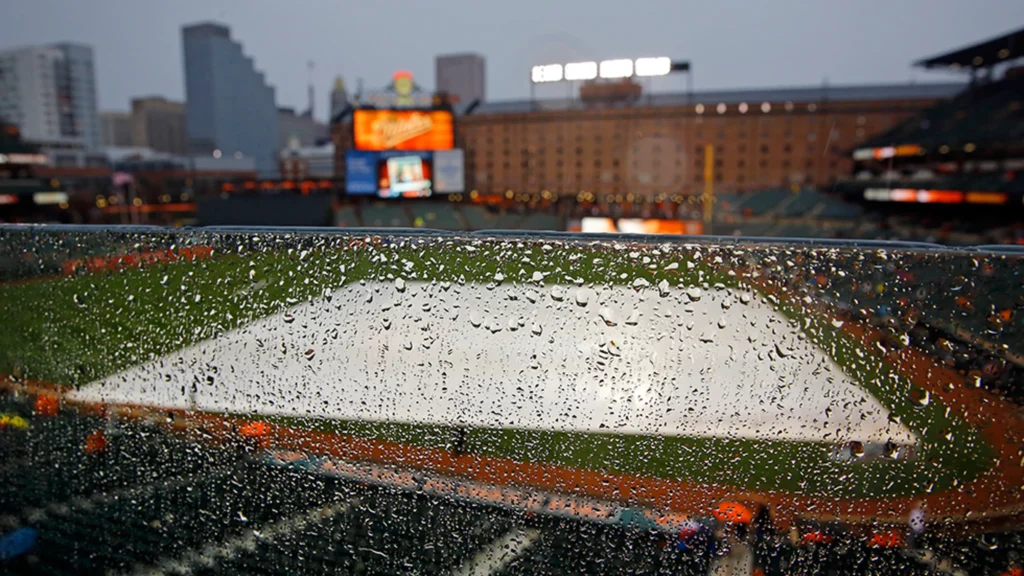
6. Olympics and Global Events: Weather Preparedness in Focus
With several global sporting events hosted in 2025, organizers placed weather preparedness at the center of planning.
6.1 Cooling Systems and Backup Plans
Massive investments were made in cooling systems, covered areas, and weather monitoring technologies to minimize disruptions.
6.2 Emergency Protocols for Heat and Rain
Athletes were given hydration kits, and events had emergency rescheduling windows in case of sudden weather shifts.
The sports event weather impact pushed officials to think ahead like never before.
7. Economic and Fan Experience Impacts
Weather doesn’t just disrupt games; it affects the entire sports ecosystem.
- Ticket sales dropped for rescheduled matches.
- Broadcasters had to revise programming due to sudden changes.
- Fans who traveled long distances were affected by delays and cancellations.
- Event sponsors faced visibility and timing challenges.
The sports event weather impact in 2025 had real financial consequences, forcing organizers to rethink risk management.
8. Technology’s Role in Weather Forecasting and Prevention
One of the biggest shifts in 2025 was the integration of technology to counter unpredictable weather.
- Advanced satellite forecasting helped officials prepare in real-time.
- AI-based models predicted the best match timings.
- Smart stadium infrastructure was designed to resist extreme weather.
These advancements reduced risks but did not eliminate disruptions completely.
9. Athletes Adapting to Extreme Conditions
Players are no longer just training for opponents—they’re training for weather conditions too.
- Hydration protocols and cooling vests became common.
- Warm-up sessions were modified according to temperature and humidity.
- Mental resilience training helped players handle sudden delays.
The sports event weather impact is shaping the way athletes prepare physically and mentally.
10. Future of Sports: Weather as a Deciding Factor
If 2025 is any indication, weather will continue to influence the future of global sports. Tournaments are expected to:
- Move to climate-friendly locations.
- Introduce flexible match schedules.
- Rely more on technological solutions to counter delays.
The sports event weather impact has proven that adaptability is not an option—it’s a necessity.
11. Case Studies of Weather-Affected Events in 2025
11.1 Rain-Hit Final in Cricket
A major cricket final was delayed by over 6 hours, forcing the use of reserve days.
11.2 Tennis Open Interrupted by Storms
A Grand Slam saw multiple rain interruptions, pushing matches past midnight.
11.3 Heatwave Halts Football League Match
A top-tier football match was stopped at halftime due to heatstroke risks.
These real incidents showed how sports event weather impact turned thrilling contests into logistical challenges.
12. Organizers’ New Playbook for Weather Disruptions
Sports bodies around the world now follow standardized weather protocols:
- Pre-event forecasts reviewed daily.
- Rescheduling slots kept open in advance.
- Fan safety and communication prioritized through apps and announcements.
The sports event weather impact has made planning more scientific and strategic.
13. Media Coverage and Public Reactions
In 2025, weather disruptions became a trending topic across media platforms. Fans debated fairness, broadcasters adjusted live coverage, and analysts discussed the long-term impact of climate on sports.
This media focus amplified the sports event weather impact, turning local interruptions into global conversations.
14. Climate Change and Long-Term Sports Planning
Experts agree that climate change is the underlying cause behind these extreme patterns.
- More heatwaves, heavy rains, and storms are expected in future.
- Sports governing bodies are integrating climate strategies into their policies.
- Green initiatives like eco-friendly stadiums and carbon reduction are being prioritized.
The sports event weather impact is no longer temporary—it’s part of a bigger environmental challenge.
15. The Road Ahead: Innovation and Adaptation
To protect the integrity of competitions and player safety, sports bodies must:
- Invest in infrastructure upgrades.
- Strengthen real-time response systems.
- Partner with meteorological experts.
- Educate players and fans about weather preparedness.
This ensures that even when the skies turn gray, the games can go on.
Conclusion
The sports event weather impact in 2025 has shown how climate and unpredictable weather patterns can shape the outcome of major competitions around the world. From rain delays in cricket and tennis to heat concerns in marathons and football, weather has become more than just a background factor — it’s now a key player in sports planning and performance. Organizers are increasingly investing in weather forecasting technologies, stadium upgrades, and flexible scheduling to minimize disruptions.
Looking ahead, weather resilience will be crucial for the future of sports. Teams, athletes, and fans will need to adapt to changing conditions to ensure that the spirit of fair competition remains strong no matter what the climate brings.
ESPN live coverage and reports
FAQs
Q1. How does weather affect outdoor sports events?
Weather can impact outdoor sports through rain delays, poor visibility, slippery fields, or extreme temperatures. These conditions may lead to postponed matches, safety concerns, or changes in game strategy.
Q2. Which sports are most affected by weather conditions?
Sports like cricket, tennis, football, baseball, and athletics are highly influenced by weather because they rely on open-air conditions.
Q3. What measures are being taken to reduce weather disruptions in sports?
Event organizers are using advanced weather forecasting systems, retractable roofs, improved drainage systems, and flexible match scheduling to handle unpredictable weather conditions.
Q4. How does weather impact athlete performance?
Extreme heat can cause fatigue and dehydration, while rain or wind can affect grip, visibility, and ball movement, influencing overall game performance.
Q5. Will weather continue to be a major factor in sports events in the future?
Yes, with increasing climate change effects, weather will play an even bigger role in shaping how sports events are scheduled, played, and experienced.
Q6. Can weather lead to the cancellation of major sports events?
Yes, severe weather conditions like thunderstorms, heavy rainfall, snowstorms, or heatwaves can force organizers to cancel or postpone matches to ensure player and spectator safety.
Q7. How do players prepare for sudden weather changes?
Athletes often train in different weather conditions, use specialized gear, stay hydrated, and follow medical and tactical guidance to adapt their performance to sudden weather shifts.
Q8. Are indoor sports affected by weather too?
While indoor sports are less impacted, extreme weather such as storms or floods can affect power supply, transportation, or fan attendance, leading to disruptions.
Q9. How does weather impact fan experience at stadiums?
Rain, wind, or extreme heat can reduce attendance, affect comfort, and create logistical challenges for both fans and organizers.
Q10. What role does technology play in reducing weather impact?
Modern stadiums use retractable roofs, advanced weather prediction systems, and climate control to keep events on schedule and minimize disruptions.
Q11. Which regions face the most weather-related disruptions in sports?
Tropical regions face more rain delays, while extremely hot or cold regions deal with temperature-related challenges, impacting event timing and safety.
Q12. How do broadcasters handle live sports during bad weather?
Broadcasters adjust schedules, provide weather updates, and use pre-recorded content or expert analysis to maintain audience engagement during delays.
Q13. Are insurance policies used for weather-affected sports events?
Yes, many major sports organizers use weather insurance to recover financial losses from event delays, rescheduling, or cancellations caused by weather.
Q14. How does weather impact betting and predictions in sports?
Unpredictable weather can change match outcomes, influencing odds and making predictions more complex for analysts and bettors.
Q15. Can climate change increase the frequency of weather disruptions in sports?
Yes, rising global temperatures and unpredictable patterns are expected to increase weather-related delays and cancellations in the coming years.