

T20 cricket was once considered a nightmare for spinners. Flat pitches, short boundaries, powerful bats, and aggressive batting strategies seemed to push spin bowling into the background. However, the modern game has witnessed a remarkable shift. Spin Bowling is not only surviving in T20 cricket but thriving, redefining strategies across leagues and international competitions.
From tactical matchups to improved skill sets, spin bowling has re-emerged as a vital weapon in the shortest format. This article explores why Spin Bowling is making a strong comeback in T20 cricket and how it is shaping the future of the game.
Mary Kom Biography: The Unstoppable Spirit of India’s Boxing Queen
Evolution of T20 Cricket and the Early Decline of Spin Bowling
When T20 cricket first gained popularity, fast bowlers dominated the format. The emphasis was on pace, bounce, and yorkers at the death. Spin Bowling was often viewed as defensive, used merely to control run rates rather than take wickets.
Batters targeted spinners aggressively, using sweeps, reverse sweeps, and switch hits. Many teams even preferred part-time spinners over specialist bowlers. As a result, traditional spin bowling struggled to find relevance in early T20 strategies.
However, as the format matured, teams realized that pace alone could not win matches consistently. This realization paved the way for the comeback of Spin Bowling.
Why Modern Batting Has Helped Spin Bowling Return
Ironically, the aggressive batting approach of modern T20 cricket has contributed to the resurgence of Spin Bowling. Batters now attack from the very first ball, increasing the risk of mistakes.
Spinners exploit this mindset by varying pace, flight, and angles. Instead of bowling defensively, modern spin bowling focuses on deception and wicket-taking. The pressure to score quickly often forces batters into false shots, making spinners more effective than ever.
This shift has made Spin Bowling a genuine attacking option again.
Role of Analytics in the Rise of Spin Bowling
Data analytics has revolutionized cricket tactics, and Spin Bowling has benefited immensely. Teams now analyze batter weaknesses in detail, identifying which players struggle against certain types of spin.
Spinners are used in specific matchups rather than fixed overs. Left-arm spinners bowl to right-handers with poor sweep shots, while leg-spinners target batters who struggle against googlies.
This analytical approach has enhanced the effectiveness of Spin Bowling, making it a key part of modern T20 game plans.
Improved Skill Sets of Modern Spinners
Today’s spinners are more versatile than ever. Gone are the days when a spinner relied on just one or two variations. Modern Spin Bowling includes:
- Multiple arm speeds
- Variations in trajectory
- Subtle changes in release points
- Better accuracy under pressure
Spinners now train specifically for T20 scenarios, focusing on death overs, powerplays, and high-pressure moments. This evolution has made spin bowling adaptable to any phase of a T20 match.
Impact of Pitch Conditions on Spin Bowling Comeback
Pitch preparation has also contributed to the revival of Spin Bowling. While some venues still favor batters, many surfaces now offer grip as matches progress.
Slow pitches in leagues like the IPL, PSL, and CPL reward spinners who can read conditions quickly. Even flat pitches become challenging for batters when spinners bowl into the pitch and vary pace.
As a result, Spin Bowling has become indispensable, especially in middle overs where matches are often decided.
Success of Spinners in Global T20 Leagues
The success of spinners in major leagues has reinforced confidence in Spin Bowling. Competitions such as the IPL, Big Bash League, and The Hundred consistently feature spinners among top wicket-takers.
Franchises now invest heavily in specialist spinners, recognizing their value in controlling games. This trend has filtered into international T20 cricket, where teams prioritize spin options even on batting-friendly surfaces.
For updated stats on spinner performances, platforms like ESPNcricinfo provide detailed analysis:
https://www.espncricinfo.com
Spin Bowling in Powerplay Overs
One of the biggest tactical shifts in T20 cricket is the use of Spin Bowling during powerplay overs. Earlier, spinners were rarely trusted with the new ball.
Today, teams regularly open bowling with spinners to exploit attacking fields and aggressive batters. Early wickets through spin disrupt batting lineups and slow momentum.
This bold approach highlights how spin bowling has become a proactive weapon rather than a defensive choice.
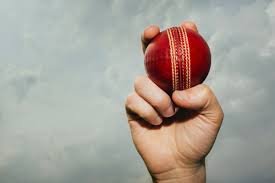
Wrist Spin vs Finger Spin in T20 Cricket
Both wrist spin and finger spin play crucial roles in the resurgence of Spin Bowling.
Wrist spinners thrive on unpredictability and wicket-taking ability, while finger spinners rely on control and consistency. Teams often balance both types to counter different batting styles.
The diversity within Spin Bowling allows teams to adapt quickly, making it harder for batters to settle.
Fielding Standards Supporting Spin Bowling
Improved fielding standards have boosted the confidence of spinners. Agile infielders convert half-chances into wickets, encouraging spinners to attack more.
Modern Spin Bowling relies heavily on sharp catching and athletic field placements. This support system allows spinners to bowl aggressive lines without fear of boundaries.
As fielding continues to improve, spin bowling’s effectiveness is only expected to grow.
Psychological Pressure Created by Spin Bowling
Unlike pace bowling, Spin Bowling challenges a batter’s patience and decision-making. Slower deliveries disrupt rhythm, forcing batters to generate their own power.
This mental battle often favors the spinner, especially in high-stakes matches. Batters under pressure tend to over-attack, leading to dismissals.
The psychological impact of spin bowling has become a decisive factor in T20 cricket outcomes.
Young Cricketers and the Rise of Spin Bowling
Youth cricket programs now emphasize all-round skill development, encouraging young players to learn spin bowling techniques early.
As a result, a new generation of confident spinners is emerging, comfortable bowling in any match situation. This pipeline ensures that Spin Bowling will remain relevant in the long term.
Organizations like the ICC highlight this development across formats:
Spin Bowling as a Strategic Tool in T20 Cricket
Captains now view Spin Bowling as a strategic asset rather than a backup option. Spinners are used to break partnerships, control scoring, and dictate tempo.
Flexible bowling rotations allow spinners to bowl short spells, maximizing impact. This strategic deployment has elevated spin bowling to a central role in match planning.
Comparison With Fast Bowling in T20s
While fast bowling remains crucial, it is no longer the sole dominant force. Spin Bowling complements pace by offering contrast and variation.
Teams with a balanced attack featuring quality spin options often outperform pace-heavy lineups. This balance reflects the evolving nature of T20 cricket.
Future of Spin Bowling in T20 Cricket
The comeback of Spin Bowling is not a temporary trend. As batters become stronger and matches more competitive, the need for intelligent, skill-based bowling will increase.
Innovations in training, analytics, and fitness will further enhance spin bowling’s role. The future of T20 cricket clearly includes spinners as match-winners.
For deeper tactical insights, Wisden provides expert analysis:
Conclusion
The return of Spin Bowling in T20 cricket highlights how the format continues to evolve beyond raw power and pace. Modern spinners combine skill, strategy, and data-driven planning to outthink aggressive batters. With improved variations, supportive fielding standards, and smarter captaincy, spin bowling has reclaimed its importance across all phases of a T20 match.
As pitches slow, analytics improve, and batters continue to take risks, Spin Bowling will remain a decisive factor in shaping results. This strong comeback is not temporary but a clear indication that spinners are once again central to success in T20 cricket.
Frequently Asked Questions (FAQs)
Why is spin bowling effective in T20 cricket now?
Spin bowling is effective because batters attack more aggressively, creating opportunities for mistakes. Variations in pace and flight make Spin Bowling a reliable wicket-taking option.
Is spin bowling better than fast bowling in T20s?
Both styles are important, but Spin Bowling offers control and deception, especially in the middle overs. Teams with balanced attacks usually perform better.
Which type of spin bowling works best in T20 cricket?
Both wrist spin and finger spin are effective. Wrist spinners often take more wickets, while finger spinners provide consistency and control, strengthening Spin Bowling strategies.
Why do teams use spinners in powerplay overs?
Teams use Spin Bowling in powerplays to exploit attacking fields and aggressive batters. Early wickets through spin can disrupt batting momentum.
How has analytics helped spin bowling improve?
Analytics identify batter weaknesses and ideal matchups. This data-driven approach allows Spin Bowling to be used more strategically and effectively.
Are young cricketers focusing more on spin bowling now?
Yes, youth development programs emphasize skill-based bowling. This ensures a steady rise of talented spinners, strengthening the future of Spin Bowling.
Will spin bowling continue to dominate T20 cricket?
While dominance varies by conditions, Spin Bowling will remain a key factor due to its adaptability and strategic value in modern T20 cricket.
Indian Kabaddi Team 2025: Road to Glory in the International Arena