
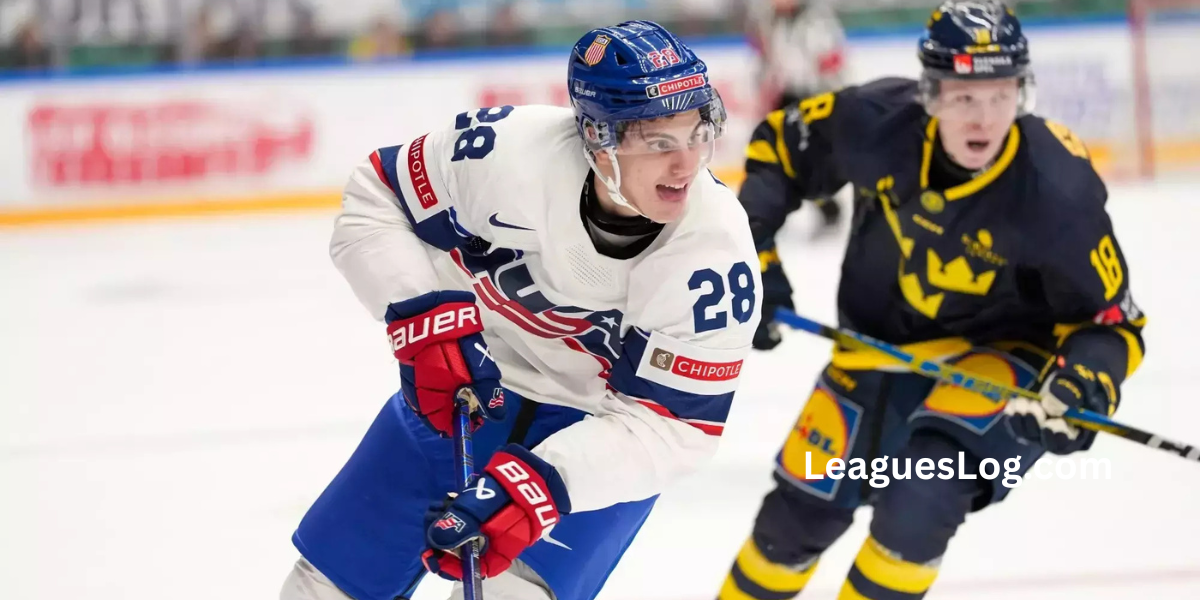
The IIHF World Junior Hockey Championship stands as one of the most prestigious and exciting tournaments in international ice hockey. Organized by the International Ice Hockey Federation (IIHF), this annual competition showcases the world’s top under-20 hockey talent and serves as a critical stepping stone for future NHL stars. Known for its fast pace, passionate crowds, and high-stakes matches, the tournament has become a global celebration of youth hockey excellence.
Every year, millions of fans tune in to watch the IIHF World Junior Hockey Championship, especially during the holiday season when the event traditionally takes place. With national pride on the line and careers just beginning, the championship delivers unforgettable moments that shape the future of international hockey.
AFC Champions League Elite: Al-Nassr vs Al-Gharafa
History of the IIHF World Junior Hockey Championship
The IIHF World Junior Hockey Championship was officially established in 1977, although earlier unofficial tournaments were held in the mid-1970s. The IIHF created the event to provide a structured international platform for junior players to compete at the highest level while representing their countries.
Over the decades, the IIHF has expanded the tournament’s reach, professionalism, and global audience. What began as a modest competition has grown into one of the most watched junior sporting events worldwide. Countries such as Canada, Sweden, Finland, Russia, and the United States have played a dominant role in shaping the tournament’s legacy.
Tournament Format and Structure
The IIHF World Junior Hockey Championship typically features ten teams divided into two groups. Each team plays a round-robin schedule during the group stage, with points awarded based on match results. The top teams advance to the knockout rounds, while the bottom teams face relegation battles.
The IIHF maintains strict regulations regarding age eligibility, roster size, and game rules to ensure fairness and competitiveness. The knockout stage includes quarterfinals, semifinals, and medal matches, culminating in the gold medal game that crowns the world junior champion.
Role of the IIHF in Junior Hockey Development
The IIHF plays a crucial role in developing junior hockey worldwide. Through tournaments like the World Junior Championship, the IIHF provides exposure, structure, and competitive experience for young players who may eventually represent their countries at senior international levels.
By organizing development programs, coaching education, and officiating standards, the IIHF ensures that the World Junior Championship remains a benchmark for international youth hockey. The tournament also allows smaller hockey nations to compete against traditional powerhouses, contributing to the sport’s global growth.

Participating Nations and Global Reach
The IIHF World Junior Hockey Championship features teams from Europe, North America, and emerging hockey regions. Traditional powerhouses such as Canada, Sweden, Finland, and the United States regularly compete for medals, while nations like Germany, Switzerland, and Slovakia have shown increasing competitiveness.
Through the IIHF promotion of the tournament, the event reaches audiences across multiple continents via television, streaming platforms, and social media. This global exposure enhances the profile of junior hockey and helps grow the sport in non-traditional markets.
Importance of the Championship for Young Players
For many athletes, the IIHF World Junior Hockey Championship represents a career-defining opportunity. Strong performances in the tournament often lead to increased NHL draft rankings, professional contracts, and international recognition.
Scouts from major leagues closely follow the IIHF tournament, analyzing players’ skills under pressure. The intensity of international competition helps young athletes develop mental toughness, leadership, and adaptability, all essential traits for professional success.
Legendary Players Who Rose Through the IIHF World Juniors
Numerous hockey legends began their international careers at the IIHF World Junior Hockey Championship. Players such as Wayne Gretzky, Sidney Crosby, Connor McDavid, and Alexander Ovechkin used the tournament as a platform to announce themselves to the world.
The IIHF tournament has consistently proven to be a reliable indicator of future stardom. Outstanding performances at the junior level often translate into successful professional careers, making the event a key focus for fans and analysts alike.
Hosting the IIHF World Junior Hockey Championship
Host nations play a vital role in the success of the IIHF World Junior Hockey Championship. The tournament is often hosted in countries with strong hockey traditions and modern arenas capable of accommodating large crowds and global broadcasts.
The IIHF carefully selects host cities based on infrastructure, fan engagement, and organizational capability. Hosting the tournament boosts local economies, promotes youth participation in hockey, and strengthens international cooperation within the sport.
Fan Culture and Atmosphere
One of the defining features of the IIHF World Junior Hockey Championship is its electrifying fan atmosphere. Supporters travel from around the world to cheer for their national teams, creating a festival-like environment inside and outside the arenas.
The IIHF encourages fan engagement through community events, youth clinics, and digital platforms. The combination of passionate supporters and high-quality hockey makes the World Juniors a must-watch event each year.
Media Coverage and Broadcasting
The IIHF World Junior Hockey Championship receives extensive media coverage, particularly in hockey-loving nations. Major sports networks broadcast games live, while digital platforms provide highlights, statistics, and expert analysis.
Through strategic partnerships, the IIHF ensures that the tournament remains accessible to fans worldwide. The growth of online streaming has further expanded the event’s reach, allowing new audiences to experience junior hockey at its best.
Competitive Rivalries in the IIHF World Juniors
Rivalries are a core element of the IIHF World Junior Hockey Championship. Matchups such as Canada vs. United States, Sweden vs. Finland, and Canada vs. Russia consistently draw massive viewership and intense fan interest.
These rivalries elevate the tournament’s profile and highlight the competitive balance maintained by the IIHF. The emotional intensity of these games often produces memorable moments that define the championship’s history.
Impact on International Hockey Rankings
While the IIHF World Junior Hockey Championship focuses on youth competition, its results influence broader perceptions of national hockey development systems. Strong performances reflect effective grassroots programs, coaching structures, and investment in youth hockey.
The IIHF uses insights from junior tournaments to guide long-term strategies for global hockey growth, including funding, development initiatives, and tournament expansion.
IIHF World Junior Championship Overview
Future of the IIHF World Junior Hockey Championship
The future of the IIHF World Junior Hockey Championship looks increasingly dynamic. Advances in sports technology, analytics, and broadcasting are enhancing the viewing experience and player development processes.
The IIHF continues to explore ways to modernize the tournament while preserving its traditions. Expansion of global participation, improved officiating technologies, and sustainability initiatives are expected to shape the next generation of World Junior Championships.
Conclusion
The IIHF World Junior Hockey Championship remains one of the most important and influential tournaments in international ice hockey. By bringing together the world’s best under-20 players, the IIHF provides a global stage where future stars can develop, compete, and represent their nations with pride. The tournament’s high intensity, elite skill level, and passionate fan base make it a cornerstone of the international hockey calendar.
As the sport continues to grow worldwide, the IIHF World Junior Hockey Championship plays a vital role in shaping the future of hockey. Through innovation, global outreach, and competitive excellence, the IIHF ensures that this championship will continue to inspire players and fans for generations to come.
FAQs
1. What is the IIHF World Junior Hockey Championship?
The IIHF World Junior Hockey Championship is an annual international ice hockey tournament organized by the International Ice Hockey Federation for under-20 national teams.
2. When is the IIHF World Junior Hockey Championship held?
The tournament is traditionally held from late December to early January each year.
3. How many teams participate in the IIHF World Junior Hockey Championship?
Ten national teams compete in the top division of the IIHF World Junior Hockey Championship.
4. Who is eligible to play in the IIHF World Junior Hockey Championship?
Players must be under the age of 20 by the end of the calendar year in which the tournament takes place, following IIHF eligibility rules.
5. Which country has won the most IIHF World Junior Hockey Championship titles?
Canada has won the most gold medals in the history of the IIHF World Junior Hockey Championship.
6. Where is the IIHF World Junior Hockey Championship hosted?
The championship is hosted by different IIHF member nations, typically in countries with strong hockey infrastructure and fan support.
7. Why is the IIHF World Junior Hockey Championship important for young players?
The tournament provides global exposure, professional scouting opportunities, and high-pressure international experience that helps shape future hockey careers.
8. How can fans watch the IIHF World Junior Hockey Championship?
Fans can watch the IIHF World Junior Hockey Championship through official broadcasters, streaming services, and the IIHF’s digital platforms.