
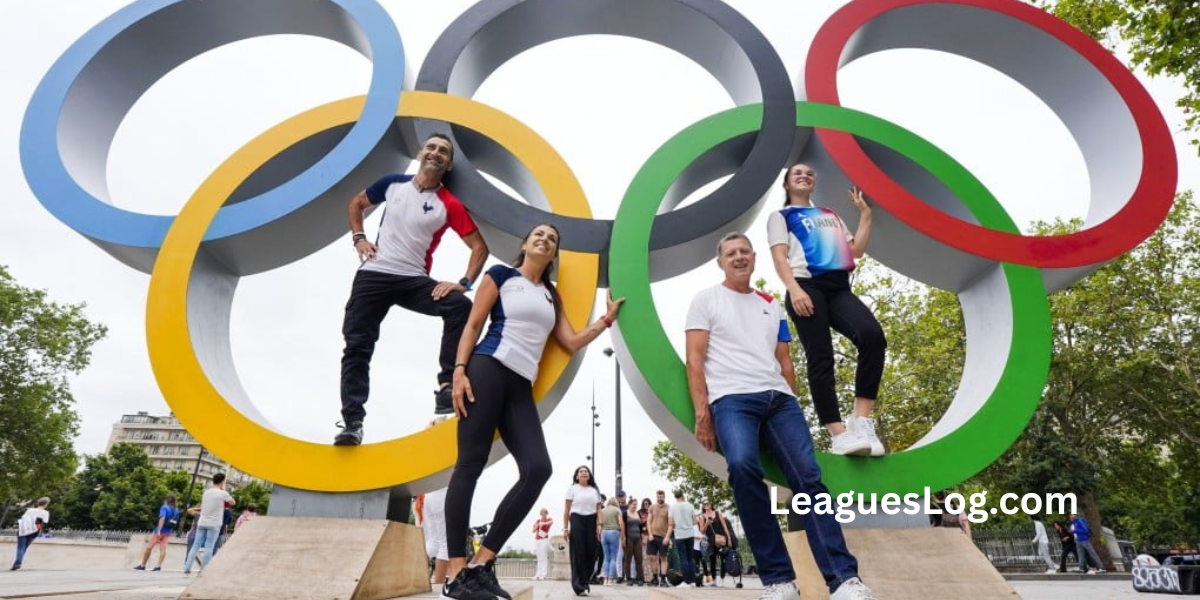
The Olympic Games have always evolved with time, reflecting global culture, technological progress, and changing sports interests. From the inclusion of new disciplines to innovations in fan engagement, the Olympics continue to reinvent themselves. As the world moves toward a more digital, youth-driven, and sustainability-focused future, the Future Olympic Games are set to look very different from what fans have known in the past.
In upcoming editions, spectators can expect modern sports, faster formats, increased gender equality, and technology-driven experiences. This article explores the most important sports trends that will shape the Future Olympic Games and redefine how fans experience the world’s biggest sporting event.
Mirabai Chanu Biography: Lifting India’s Pride to New Heights
Evolution of the Olympic Games in the Modern Era
The Olympic Games have undergone continuous transformation since their revival in 1896. Early editions focused on traditional sports, but recent decades have introduced urban, youth-oriented, and mixed-gender events. This evolution sets the foundation for what fans can expect in the Future Olympic Games.
Modern Olympic planning now emphasizes:
- Youth engagement
- Global accessibility
- Sustainability
- Innovation in competition formats
These priorities will heavily influence future sports trends.
Inclusion of Youth-Oriented and Urban Sports
One of the clearest trends shaping the Future Olympic Games is the inclusion of sports that appeal to younger audiences. Events such as skateboarding, sport climbing, and surfing have already made successful debuts.
Youth-oriented sports bring:
- Faster-paced action
- Strong social media appeal
- Global youth participation
This approach ensures that the Future Olympic Games remain relevant to new generations of fans.
Expansion of Mixed-Gender Events
Gender equality has become a core principle of Olympic development. The Future Olympic Games will feature more mixed-gender competitions across multiple sports.
Benefits of mixed events include:
- Equal representation
- New strategic dynamics
- Increased inclusivity
Mixed relays and team events are expected to grow, reinforcing the Olympics’ commitment to equality.
Rise of Shorter and More Dynamic Competition Formats
Modern audiences prefer fast, engaging content. To meet this demand, the Future Olympic Games will emphasize shorter formats and high-intensity events.
Examples of this trend include:
- Short-distance races
- Condensed match formats
- High-scoring variations of traditional sports
These changes improve viewer engagement while maintaining competitive integrity.
Esports and Digital Integration in the Olympics
While esports are not yet a medal sport, digital competition is influencing the Future Olympic Games. Virtual sports and esports-inspired formats are being tested through Olympic-sanctioned events.
Digital integration includes:
- Virtual competitions
- Online fan participation
- Interactive broadcasts
These innovations reflect the changing definition of sport in the modern era.
Technological Advancements in Athlete Performance
Technology will play a crucial role in the Future Olympic Games, enhancing both performance and fairness.
Key advancements include:
- Advanced performance analytics
- Wearable tracking devices
- AI-assisted training tools
These technologies help athletes optimize preparation while ensuring transparent competition standards.
Enhanced Fan Experience Through Technology
Fan engagement is a major focus for organizers of the Future Olympic Games. Technology will transform how audiences interact with events.
Expected innovations include:
- Augmented reality viewing
- Personalized streaming options
- Real-time data overlays
These features bring fans closer to the action than ever before.
Sustainability and Eco-Friendly Sports Initiatives
Environmental responsibility is a defining trend for the Future Olympic Games. Host cities are now required to meet strict sustainability standards.
Eco-friendly initiatives include:
- Reusable venues
- Carbon-neutral operations
- Reduced waste systems
Sustainable planning ensures that future Games leave a positive legacy.
Growth of Non-Traditional Sports Disciplines
The Future Olympic Games will continue to embrace non-traditional sports that reflect global diversity. Martial arts, street sports, and emerging disciplines are increasingly considered.
This trend:
- Expands global representation
- Introduces new athletic skills
- Broadens Olympic appeal
Fans can expect a more diverse sports lineup in future editions.
Increased Focus on Athlete Mental Health
Athlete well-being has become a major priority. The Future Olympic Games will place greater emphasis on mental health support.
Key initiatives include:
- On-site mental health professionals
- Reduced competition pressure
- Education on psychological well-being
This approach ensures healthier and more sustainable athletic careers.
Data-Driven Officiating and Fair Play
Technology-assisted officiating will become standard in the Future Olympic Games. Tools such as instant replay, motion tracking, and AI review systems improve fairness.
Benefits include:
- Reduced human error
- Faster decision-making
- Increased transparency
Fair play remains central to Olympic values.
Globalization and New Host City Approaches
The Future Olympic Games will explore flexible hosting models, including shared venues and regional hosting.
This strategy:
- Reduces hosting costs
- Increases global accessibility
- Encourages international collaboration
The Olympics are adapting to modern economic realities.
Media and Broadcasting Innovations
Broadcasting trends will significantly shape the Future Olympic Games. Traditional TV coverage will coexist with digital-first platforms.
Key developments include:
- Mobile-first streaming
- Social media highlights
- Multi-angle viewing options
These changes reflect how modern fans consume sports content.
External reference:
https://www.espn.com
The Role of AI and Big Data in Future Olympics
Artificial intelligence and big data will play a growing role in the Future Olympic Games, from athlete analysis to fan engagement.
Applications include:
- Performance prediction
- Injury prevention
- Customized fan experiences
Technology will redefine every aspect of the Games.
Cultural Representation and Global Diversity
The Future Olympic Games will increasingly celebrate cultural diversity through ceremonies, sport selection, and athlete representation.
This inclusivity:
- Strengthens global unity
- Promotes lesser-known sports
- Reflects global athletic talent
Cultural diversity remains central to the Olympic mission.
Long-Term Impact of These Sports Trends
All these trends point toward a more inclusive, innovative, and sustainable Olympic movement. The Future Olympic Games will balance tradition with modern expectations, ensuring continued global relevance.
Fans can expect:
- New sports excitement
- Enhanced viewing experiences
- Greater athlete well-being
The Olympic Games are evolving for a new era.
Conclusion
The Olympic Games are entering a new era defined by innovation, inclusivity, and sustainability. As sports culture continues to evolve, the Future Olympic Games will reflect changing fan expectations, technological advancements, and global priorities. From youth-oriented disciplines and mixed-gender events to digital integration and eco-friendly planning, these trends will reshape how the world experiences the Olympics.
By embracing modernization while respecting tradition, the Future Olympic Games will remain the pinnacle of international sport. Fans can look forward to faster competitions, greater diversity, and more immersive experiences that strengthen the Olympic spirit for generations to come.
Frequently Asked Questions (FAQs)
What are the Future Olympic Games?
The Future Olympic Games refer to upcoming Olympic editions that emphasize innovation, sustainability, youth engagement, and modern sports trends.
Will new sports be added to future Olympic Games?
Yes, the Future Olympic Games are expected to include more youth-oriented and urban sports that appeal to younger audiences worldwide.
How will technology impact future Olympic Games?
Technology will enhance athlete performance, improve officiating accuracy, and provide immersive fan experiences in the Future Olympic Games.
Are mixed-gender events becoming more common?
Absolutely. Mixed-gender competitions are a growing trend in the Future Olympic Games, promoting equality and new competitive dynamics.
Will esports become part of the Olympic Games?
While not yet a medal sport, esports and virtual competitions are influencing the structure and digital engagement strategies of the Future Olympic Games.
How are the Olympics becoming more sustainable?
The Future Olympic Games focus on eco-friendly venues, carbon-neutral operations, and long-term environmental responsibility.
Why is athlete mental health important in future Olympics?
Mental well-being is now a priority, with the Future Olympic Games providing better support systems to ensure healthy and sustainable athletic careers.
Pakistan’s Thrilling T20 Series Win Over South Africa: A Triumph of Grit and Talent