
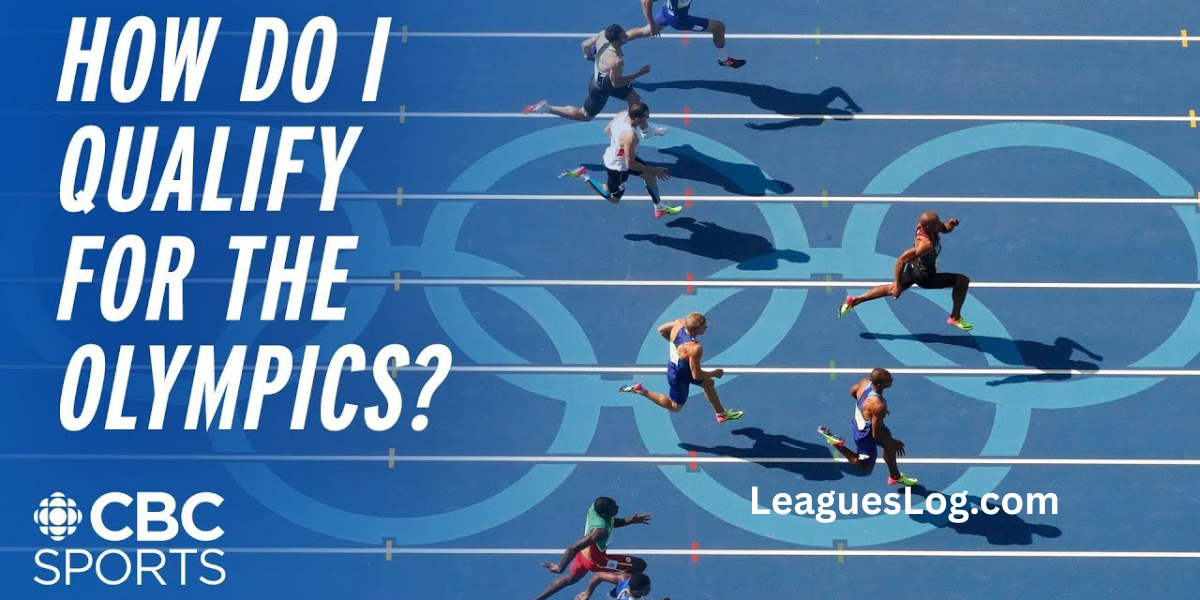
The Olympic Games are the pinnacle of international sport, bringing together athletes from around the globe to compete at the highest level. However, not every country or athlete can simply participate. There is a rigorous system that determines which nations and athletes earn the right to compete. Understanding how countries qualify for Olympics requires knowledge of international federations, continental competitions, and the rules governing each sport.
This article explains the process countries follow to qualify for Olympics, including qualification standards, continental quotas, wild cards, and sport-specific rules. By exploring these mechanisms, we gain insight into how the Olympic movement ensures fair and global representation.
Muhammad Ali Biography: The Greatest Fighter and Humanitarian
Why Olympic Qualification Matters
The process to qualify for Olympics is critical for several reasons:
- Ensures fair competition among nations
- Promotes global representation
- Encourages development programs in smaller nations
- Maintains high standards of athletic performance
Countries invest heavily in preparation, training camps, and national trials to maximize their chances of qualification. For many athletes, the journey to qualify for Olympics begins years in advance.
The Role of the International Olympic Committee (IOC)
The International Olympic Committee (IOC) oversees the Olympic Games and works with International Federations (IFs) to establish qualification criteria. The IOC ensures that:
- Qualification systems are transparent and fair
- Continental representation is respected
- The number of participants in each sport is limited to safe and manageable levels
Understanding the IOC’s role is crucial to understanding how countries qualify for Olympics.
Qualification Through International Federations
Each sport at the Olympics is governed by an International Federation (IF). These federations set sport-specific rules on how athletes and teams qualify for Olympics.
Examples of IFs and Their Roles
- FIFA for football
- FIBA for basketball
- IAAF (World Athletics) for track and field
- FINA for swimming and aquatic sports
IFs design qualification tournaments, ranking systems, and continental quotas to select the best competitors globally.
Continental Qualification Systems
Many sports require countries to earn Olympic berths through continental competitions. Continental qualification ensures geographic diversity.
Examples
- African qualifiers for football, athletics, and judo
- Asian qualification tournaments for table tennis and archery
- European continental championships for volleyball and handball
These tournaments allow countries to qualify for Olympics even if they do not rank highly in global standings.
Host Country Quotas
The host nation automatically receives entries in certain sports to promote local participation. For example:
- Basketball, football, and volleyball often reserve spots for the host
- Individual sports like swimming or athletics may still require athletes to meet minimum standards
This ensures that the host nation has representation while maintaining competitive integrity.
Wild Card Entries and Universality Places
To encourage global representation, the IOC grants wild card or universality spots in selected sports. This allows countries with limited athletic infrastructure to qualify for Olympics.
- Often used in swimming, athletics, and judo
- Ensures participation from nations that may not meet standard qualification thresholds
- Supports the Olympic principle of universality
Track and Field: How Countries Qualify for Olympics
Athletics, governed by World Athletics, relies on two main pathways for Olympic qualification:
- Achieving the entry standard (time, distance, height, etc.)
- Ranking high in the world or continental rankings
National federations select athletes who meet these criteria, ensuring only top performers qualify for Olympics.
Swimming: Qualification Process
Swimming, overseen by FINA, allows athletes to qualify for Olympics in several ways:
- Achieving Olympic Qualifying Time (OQT)
- Olympic Selection Time (OST) for universality places
- Participation limits per nation to ensure fairness
Smaller countries often rely on OST and universality spots to send swimmers to the Games.
Team Sports Qualification
Team sports like football, basketball, and volleyball require countries to qualify for Olympics through regional tournaments and global qualification events.
Football Example
- Olympic football has age restrictions (U-23 with some overage players)
- Teams qualify through continental championships (e.g., UEFA U-21 Championship for Europe)
Basketball Example
- FIBA organizes World Cup and continental qualifiers
- Top-ranked teams earn Olympic berths
This system ensures the best teams globally compete while maintaining continental representation.
Boxing and Combat Sports
Boxing, judo, taekwondo, and wrestling follow continental and world qualifying tournaments. Athletes compete in weight classes and must:
- Achieve top placements in qualifying events
- Meet specific criteria set by IFs
This ensures that only elite athletes qualify for Olympics, while maintaining fair representation worldwide.
Gymnastics Qualification
Gymnastics offers a mix of team and individual qualification pathways:
- Top teams at the World Championships automatically qualify for Olympics
- Individual spots are earned through continental championships and apparatus-specific competitions
The system ensures representation of both top-ranked nations and smaller gymnastics federations.
Cycling Qualification
Cycling has multiple disciplines: road, track, BMX, and mountain biking. Countries earn spots based on:
- UCI World Rankings
- Continental championships
- Specific Olympic qualification events
This guarantees a diverse field while rewarding consistent performance.
Equestrian, Shooting, and Sailing
Sports like equestrian, shooting, and sailing often combine:
- World Championship placements
- Continental quotas
- Wild card or invitational spots
Countries that excel in these events secure berths to qualify for Olympics, while less-established nations benefit from universality places.
The Role of National Olympic Committees (NOCs)
National Olympic Committees coordinate their athletes’ preparation and entries. NOCs:
- Submit eligible athletes to the IOC and IFs
- Ensure athletes meet qualification standards
- Manage team selections for multi-sport events
Without NOCs, countries cannot officially qualify for Olympics.
Age and Gender Considerations
Some sports impose age restrictions (e.g., football U-23) or team size limitations. Gender equity is also enforced, with quotas ensuring balanced male and female participation across sports.
These rules affect how countries plan to qualify for Olympics in each discipline.
How Rankings Affect Qualification
Several sports rely heavily on world rankings to determine Olympic berths:
- Tennis and golf use professional ranking lists
- Badminton, table tennis, and weightlifting allocate spots based on world ranking positions
High-ranking athletes automatically secure opportunities to qualify for Olympics, while others must compete in qualifying events.
Challenges Countries Face to Qualify for Olympics
Not every nation can easily secure Olympic participation. Challenges include:
- Limited funding for sports development
- Travel restrictions and logistical hurdles
- Competitive continental tournaments
- Athlete injuries or performance fluctuations
Despite these obstacles, the Olympic system aims to ensure fair global representation.
Summary: How Countries Qualify for Olympics
To summarize, countries qualify for Olympics through:
- Performance in international competitions
- Continental tournaments and qualifiers
- World and regional rankings
- Host nation privileges and universality places
- National Olympic Committee entries
This comprehensive system balances competitiveness with inclusivity, ensuring that the Games remain a global event.
Conclusion
The journey to qualify for Olympics is a complex and highly structured process designed to ensure fairness, competitiveness, and global representation. Countries and athletes must navigate international federations’ rules, continental tournaments, world rankings, and, in some cases, universality or wild card entries. From individual sports like swimming and athletics to team competitions such as football and basketball, every pathway is carefully regulated to maintain the Olympic standard of excellence.
Understanding how countries qualify for Olympics highlights the immense preparation, strategy, and dedication required at every level. Smaller nations benefit from continental quotas and universality places, while established sporting powers rely on rankings and qualification events to secure their spots. Ultimately, this system ensures that the Olympic Games remain a showcase of the world’s best talent, while promoting global inclusion and the spirit of fair play.
Frequently Asked Questions (FAQs)
How do countries qualify for Olympics in different sports?
Countries qualify for Olympics through a mix of continental tournaments, world championships, international rankings, and qualification events organized by the respective International Federations (IFs).
What role does the International Olympic Committee (IOC) play in qualification?
The IOC sets the overall framework and rules for Olympic participation, ensuring fairness, gender equity, and global representation. Qualification standards are enforced in collaboration with each sport’s International Federation.
Are there special spots for host countries?
Yes, host countries often receive automatic entries in selected sports to ensure local representation. This allows the host nation to participate even if some athletes or teams do not meet standard qualification thresholds.
What are wild card or universality places?
Wild card or universality spots allow countries with limited sporting infrastructure to qualify for Olympics in selected sports. These entries promote inclusivity and ensure global representation.
Do team sports have different qualification rules than individual sports?
Yes. Team sports usually require countries to compete in continental or world qualification tournaments, while individual sports often rely on rankings, performance standards, or qualification events.
Can smaller countries still qualify for Olympics?
Absolutely. Through continental quotas, universality spots, and regional competitions, smaller nations have opportunities to qualify for Olympics, ensuring participation from all regions of the world.
How important are world rankings for qualification?
World rankings are crucial in sports like tennis, golf, badminton, weightlifting, and table tennis. High-ranking athletes or teams often secure automatic spots to qualify for Olympics, while lower-ranked competitors must go through qualification events.
FIFA Announces ASEAN Cup: Southeast Asia’s New Football Frontier